
AI-narrated version of this post using a synthetic voice. Great for accessibility or listening while busy.
Framework Laptop 13 Pro: The Ultimate Modular Laptop Redefining Repairability in 2026
When Framework announced the Framework Laptop 13 Pro in early 2026, the company wasn’t just iterating on a proven formula—it was fundamentally challenging how we think about laptop ownership. For years, the framework laptop has stood apart in a market dominated by sealed, unrepairable machines from Apple, Dell, and Lenovo. But this latest generation takes that philosophy to its logical extreme, delivering a machine where nearly every component can be upgraded, replaced, or customized without voiding your warranty or requiring a trip to an authorized repair center.
The Framework Laptop 13 Pro represents more than just a hardware refresh. It’s a statement about consumer rights, environmental responsibility, and the growing frustration with tech companies that treat their products as disposable. In an era when right-to-repair legislation is gaining traction globally and e-waste has become a critical environmental concern, Framework’s commitment to modularity feels increasingly relevant. This isn’t marketing speak—it’s a genuine departure from industry norms that has implications for how we’ll buy and use computers in the coming years.
What Is the Framework Laptop 13 Pro? Understanding This Generation’s Modular Breakthrough
The Framework Laptop 13 Pro builds on the architecture established by earlier framework laptop models but introduces several significant upgrades that make it the most comprehensive modular machine the company has produced. At its core, this is a 13.3-inch ultrabook designed to compete directly with the MacBook Air and Dell XPS 13, but with one crucial difference: it’s built to be taken apart and reconfigured by the end user.
The specifications are competitive with mainstream ultrabooks. The Framework Laptop 13 Pro features Intel’s latest Core Ultra processors (up to Core Ultra 9 285K), with options for 16GB, 32GB, or 64GB of DDR5 RAM—all user-upgradeable. Storage comes via standard M.2 2280 NVMe drives, meaning you can swap in any compatible SSD. The 13.3-inch display offers a 3:2 aspect ratio with options for either 1920×1440 resolution or a higher-end 2560×1920 panel, both with 120Hz refresh rates.
But the real story lies in the modular expansion system. The framework laptop’s trademark Expansion Card slots—those ingenious rectangular ports along the sides—have been refined in the Pro model. Instead of being limited to USB-C, Thunderbolt, or HDMI cards, Framework has introduced a new generation of cards including dedicated OLED display outputs, full-size SD card readers, and even a proprietary high-speed data card for external GPU connectivity. You can configure any combination of four cards, swapping them out in seconds without tools.
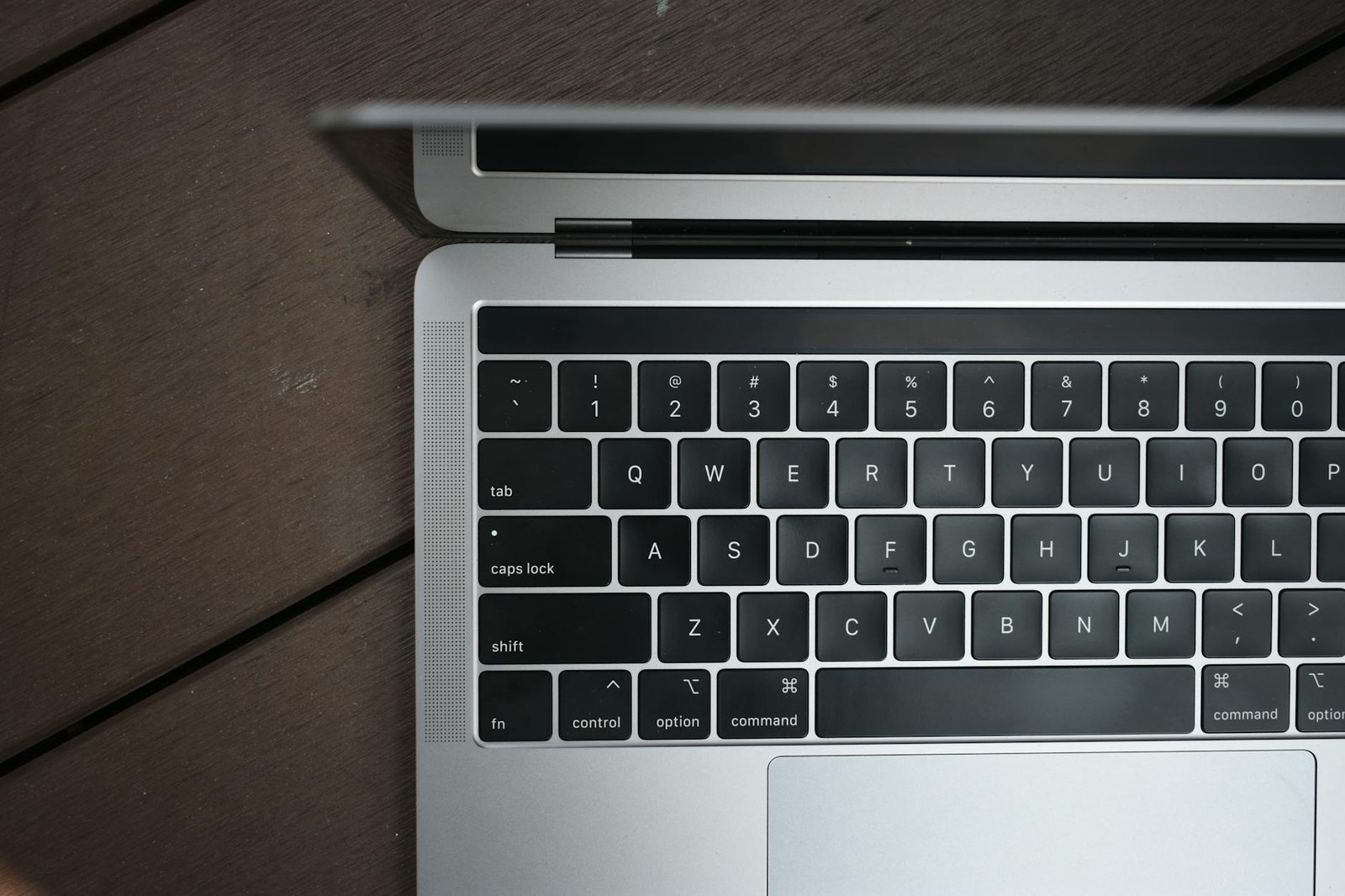
The chassis itself is now offered in three materials: the traditional aluminum, a new titanium option for premium builds, and a recycled aluminum variant for environmentally conscious buyers. The keyboard is hot-swappable, using a standard mechanical switch format, so you can customize your typing experience. Even the trackpad can be replaced independently. The battery is user-accessible and removable—a rarity in modern ultrabooks—rated for 80+ watt-hours depending on configuration.
Pricing starts at $1,199 for the base configuration and scales up to $2,499 for a fully specced Pro model with the Core Ultra 9, 64GB RAM, 2TB storage, and the titanium chassis. This positions the framework laptop 13 Pro competitively against the MacBook Air M3 ($1,199 starting) and the Dell XPS 13 Plus ($999 base), though those machines won’t let you upgrade anything without voiding warranties or requiring professional service.
Why This Matters: The Ripple Effects of True Modularity in Consumer Tech
Understanding why the Framework Laptop 13 Pro matters requires stepping back to consider the broader landscape of consumer electronics. For the past 15 years, the industry trend has moved relentlessly toward sealed, integrated designs. Apple pioneered this approach with the original MacBook Air, and competitors followed because it enabled thinner devices, higher profit margins on repairs, and reduced manufacturing complexity. The trade-off? Consumers lost the ability to repair or upgrade their machines.
This has created a perverse incentive structure. A laptop with a soldered CPU, glued-down battery, and proprietary storage becomes obsolete not because the hardware has failed, but because you can’t upgrade it. A machine that could theoretically run modern software for a decade becomes e-waste after three to five years because replacing the entire device is cheaper than repairing it. The environmental impact is staggering: the UN estimates that electronic waste generates approximately 57 million tons annually worldwide, with laptops representing a significant portion.
The Framework Laptop 13 Pro challenges this model directly. A user who needs more RAM or storage doesn’t need to buy a new machine—they buy new components. A broken keyboard doesn’t mean a $400 repair through Apple or Dell; it means a $50 part and five minutes of work. This extends the useful lifespan of the hardware dramatically, which has cascading benefits: reduced e-waste, lower total cost of ownership, and less pressure on the supply chains that mine rare earth minerals for new devices.
Beyond the environmental angle, this framework laptop model represents a philosophical win for the right-to-repair movement. Legislation like the EU’s Right to Repair Directive and similar initiatives in several U.S. states are increasingly mandating that manufacturers provide spare parts and repair documentation. Framework isn’t waiting for regulation—it’s building repairability into the product DNA. This creates competitive pressure on other manufacturers to follow suit, and early signs suggest they’re taking notice.
For professionals and power users, the implications are equally significant. A developer can upgrade the RAM in their framework laptop without losing their setup. A content creator can swap storage on the fly. A business can standardize on a single hardware platform and extend its lifespan through component upgrades rather than wholesale replacement cycles. The total cost of ownership becomes dramatically more favorable than traditional sealed laptops.
How the Framework Laptop 13 Pro Works: The Technical Architecture Behind Modularity
The engineering challenge of creating a truly modular framework laptop is more complex than it might appear. Framework solved this through a thoughtful system architecture that maintains performance and reliability while enabling user customization.
The processor and motherboard are integrated—you can’t swap CPUs like you could in a desktop. This is a practical constraint given the thermal and power delivery requirements of mobile processors, and Framework was transparent about this limitation. However, the RAM uses standard DDR5 SO-DIMM slots, meaning any compatible module works. The storage is standard M.2 2280 NVMe, so you can use any drive from any manufacturer. This is crucial: Framework isn’t using proprietary standards that lock you into their ecosystem.
The Expansion Card system is where the innovation really shines. Each card uses a standardized connector protocol that Framework has documented and opened to third-party developers. The slots can deliver up to 40Gbps of Thunderbolt 4 bandwidth, power delivery for charging external devices, and high-speed data connections. Framework has released the technical specifications, and the community has already begun developing custom cards—everything from vintage port adapters to specialized input devices.
The chassis is designed with modularity in mind from the ground up. Rather than using adhesives and complex internal routing, components are mounted on standardized rails and connectors. The keyboard connects via a standard mechanical switch interface and a ribbon cable. The trackpad is a separate module. The battery connects through a keyed connector that prevents incorrect installation. Even the display panel uses standard eDP (Embedded Display Port) connections, meaning future upgrades to higher-resolution or OLED panels are theoretically possible.
Thermal management is handled through a vapor chamber design that adapts to different CPU configurations. The fan system is modular, allowing replacement with aftermarket options if desired. Framework has even released CAD files for the chassis, enabling users and third-party manufacturers to design custom cases and mounting solutions.
The firmware is another critical component. Framework’s BIOS is relatively open compared to competitors, with detailed documentation available. The company has committed to providing security updates for at least seven years, and the modular design means you can continue using the framework laptop 13 Pro even after official support ends—you’re not dependent on manufacturer updates to keep the hardware functional.
This technical approach creates what Framework calls “planned longevity” rather than planned obsolescence. A framework laptop 13 Pro purchased in 2026 could theoretically be in active use in 2035, with component upgrades extending its relevance as software demands increase. This stands in stark contrast to sealed laptops where a degraded battery or failed keyboard essentially renders the machine unusable.
Industry Reactions and Expert Analysis: What Competitors and Analysts Are Saying
The Framework Laptop 13 Pro has generated significant discussion in the tech industry, though reactions have been mixed depending on perspective. Right-to-repair advocates have been enthusiastic, with organizations like iFixit praising the machine’s repairability and Framework’s commitment to openness. The framework laptop earned a 9/10 on iFixit’s repairability index—among the highest scores ever awarded to a modern laptop.
Traditional laptop manufacturers have been more cautious. Some analysts note that Framework’s modularity comes with trade-offs: the machine is slightly thicker and heavier than sealed competitors, battery life is marginally shorter (around 10-12 hours versus 15+ hours on comparable MacBook Airs), and the thermal design is less aggressive because modularity requires more accessible internal routing. These are legitimate engineering compromises that some users will find acceptable and others won’t.
The developer and maker communities have embraced the framework laptop enthusiastically. GitHub discussions and subreddits dedicated to the machine show users creating custom configurations, modifying the chassis, and developing third-party Expansion Cards. This grassroots adoption has created a positive feedback loop that benefits Framework’s ecosystem.
Industry analysts at firms like Gartner and IDC have noted that the Framework Laptop 13 Pro represents a potential inflection point. If modularity becomes a competitive differentiator that resonates with consumers, other manufacturers may be forced to reconsider their sealed design approach. Some have speculated that we could see “modularity tiers” emerge, where premium consumer and professional laptops offer more repairability while budget machines remain sealed.
One interesting observation from industry observers: the framework laptop’s success isn’t primarily about being the best-performing machine or having the lowest price. It’s about offering a different value proposition—longevity, repairability, and user agency. For a certain segment of users, these attributes outweigh raw performance or thinness.
What Comes Next: The Future of Modular Computing and Framework’s Roadmap
Framework has been relatively transparent about its future plans, and the roadmap suggests the company is committed to pushing modularity further. Several developments are worth monitoring.
First, Framework is working on a 16-inch modular laptop, expected to launch in late 2026. This would target users who need larger displays for content creation or development work while maintaining the modularity philosophy. The engineering challenges are greater—thermal management in a larger chassis, battery longevity, and component sourcing—but Framework believes the demand justifies the effort.
Second, the company is investing heavily in its ecosystem. Framework has established a marketplace for third-party Expansion Cards and is actively recruiting developers to create new modules. This mirrors the approach that made PC gaming so successful—an open platform that encourages innovation from the community.
Third, Framework is exploring longer-term component support. The company has committed to manufacturing spare parts for at least a decade after a model’s release. This is radical compared to competitors who often discontinue parts within 3-5 years. Framework is also working with parts suppliers to ensure long-term availability of components even if the company’s business circumstances change.
The broader implications are significant. If the Framework Laptop 13 Pro succeeds commercially, it validates a business model based on longevity rather than replacement cycles. This could influence how other manufacturers think about product design and customer relationships. The framework laptop isn’t just a product—it’s a proof of concept for a different approach to consumer electronics.
Looking further ahead, the principles embodied in the Framework Laptop 13 Pro could extend to other device categories. Modular smartphones, tablets, and desktop computers are technically feasible, though they require different design approaches. Framework has hinted at exploring adjacent categories, suggesting that modularity could become a defining characteristic of the company’s entire product line.
FAQ: Common Questions About the Framework Laptop 13 Pro
Conclusion: The Framework Laptop 13 Pro and the Future of Computing
The Framework Laptop 13 Pro arrives at a critical moment in consumer technology. As environmental concerns mount, right-to-repair legislation spreads globally, and consumers grow weary of disposable electronics, this framework laptop represents a viable alternative to the sealed, irreparable machines that have dominated the market for over a decade.
It’s not perfect. The performance isn’t bleeding-edge, the battery life lags behind sealed competitors, and the price is competitive but not exceptional. What makes the Framework Laptop 13 Pro remarkable is what it represents: a genuine commitment to user agency, environmental responsibility, and longevity. In an industry built on planned obsolescence, that’s genuinely radical.
The success of this framework laptop will likely influence how manufacturers approach design and repairability for years to come. Whether that influence emerges through competition or regulation, the message is clear: consumers are ready for devices built to last, and companies that deliver on that promise will find a receptive market. The Framework Laptop 13 Pro isn’t just a laptop—it’s a statement about what technology could be.
Related Auburn AI Products
Building a tech content site? Auburn AI has production kits: