
AI-narrated version of this post using a synthetic voice. Great for accessibility or listening while busy.
AI assistance: Drafted with AI assistance and edited by Auburn AI editorial for accuracy.
Complete Guide: Alberta Startup Sells No-Tech Tractors for Half Price—Why Farmers Are Buying
While most agricultural equipment manufacturers continue stacking GPS systems, automated diagnostics, and subscription software onto their machines, an Alberta startup is moving in the opposite direction-selling mechanically simple tractors with no onboard computers or digital connectivity at roughly half the price of modern alternatives. After looking at this for a while, it becomes clear this isn’t a nostalgic gimmick; it’s a calculated response to real problems farmers are dealing with: steep ownership costs, repair bills that require dealer-authorized technicians, and a growing dependency on proprietary software to keep equipment running. The market reception suggests a meaningful gap exists between what manufacturers have been building and what a sizable portion of farmers actually need.
The movement represents more than just a niche product offering. It reflects growing frustration among agricultural professionals who’ve discovered that the latest technology often creates more problems than it solves. When a tractor’s computer system fails and requires a dealer visit costing thousands of dollars, or when software licensing fees accumulate faster than crop yields, mechanical simplicity starts looking like a luxury rather than a limitation.
What’s Happening: The Rise of No-Tech Agricultural Equipment
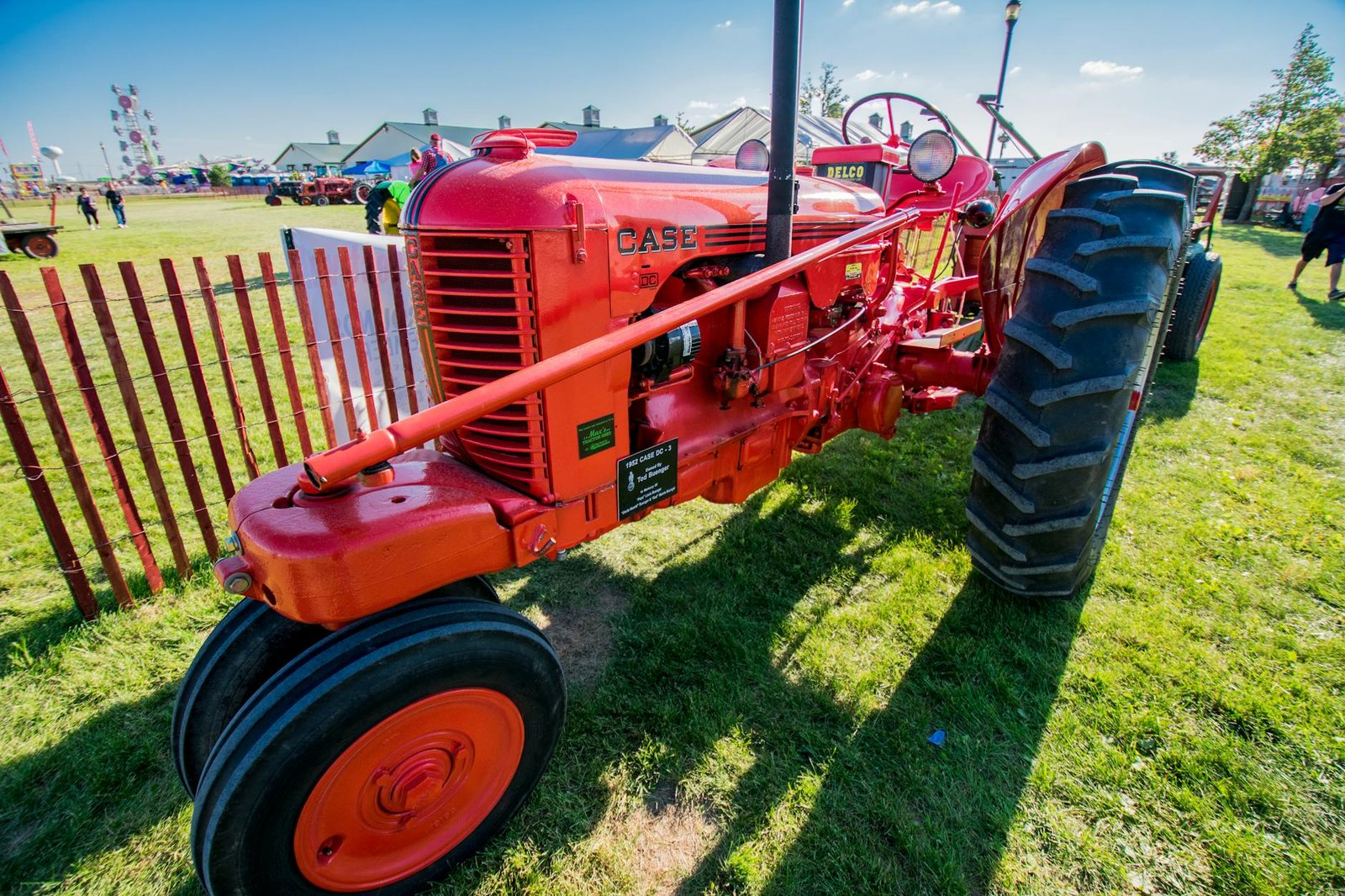
The Alberta startup in question has engineered a fundamentally different approach to tractor design and manufacturing. Rather than following the industry standard of integrating multiple computer systems, electronic controls, and networked components, these no-tech tractors return to mechanical principles that have proven reliable for decades. The machines feature traditional hydraulic systems, mechanical transmissions, and simple diesel engines without electronic fuel injection or emission control computers.
The baseline model starts around $35,000 to $45,000 CAD, depending on configuration and horsepower rating. For context, comparable modern tractors with similar mechanical capability but equipped with modern technology typically retail between $70,000 and $100,000 CAD. The price differential is substantial enough to shift purchasing decisions, particularly for small to mid-sized farming operations where capital expenditure directly impacts profitability.
These tractors typically come in the 40-60 horsepower range, making them suitable for small-scale farming, hobby farms, vineyard operations, and specialized agricultural applications. The engineering specifications emphasize durability and repairability. Parts are standardized, interchangeable, and available through multiple suppliers rather than locked into proprietary dealer networks. An owner can replace a hydraulic pump or clutch assembly with tools and knowledge that any competent mechanic possesses, rather than requiring specialized diagnostic equipment and manufacturer certification.
The startup has also focused on modularity. Customers can add implements and attachments without worrying about software compatibility or electronic integration. A plow, tiller, or hay baler connects through standard mechanical coupling points rather than requiring CAN-bus integration or firmware updates. This flexibility appeals to farmers who operate seasonally or who need equipment that performs multiple functions throughout the year.
What’s particularly noteworthy is that the Alberta startup sells notech tractors with full transparency about their capabilities and limitations. Marketing materials don’t promise precision agriculture or yield optimization through data analytics. Instead, they emphasize reliability, low maintenance costs, ease of repair, and long operational lifespan. The company has published detailed service manuals freely available online, and they actively support independent repair shops rather than restricting service to authorized dealers.
Why This Matters: The Agricultural Technology Backlash
The success of the Alberta startup sells notech tractors reflects a broader frustration with technology-dependent agriculture. Modern farm equipment has become increasingly complex, and that complexity carries hidden costs that manufacturers rarely discuss transparently.
Consider the economics of ownership. A modern tractor with advanced emission controls, electronic fuel management, and integrated GPS systems requires specialized diagnostic equipment to troubleshoot problems. When something fails—and in electronics, something eventually fails—the farmer has limited options. They can pay a dealer $150-$300 per hour for technician time, plus the cost of replacement parts that often come only through the manufacturer. They cannot legally repair or modify the equipment themselves due to digital rights management restrictions and copyright protections embedded in the firmware.
This creates a dependency relationship that benefits manufacturers and dealers while extracting ongoing costs from farmers. A single sensor failure in a modern tractor’s emission system can cost $2,000-$5,000 to diagnose and repair. The same mechanical failure in a no-tech tractor might cost $200-$500 and take a farmer or local mechanic a few hours to address with basic tools.
Software licensing and connectivity fees add another layer of expense. Many modern tractors include subscriptions to mapping services, weather data integration, or equipment monitoring platforms. These fees range from $50 to $500 annually per vehicle. Over a 20-year operational lifespan, these recurring costs accumulate significantly.
The Alberta startup sells notech tractors directly into this pain point. By eliminating the technological complexity, the company reduces the total cost of ownership dramatically. Farmers report that maintenance costs drop by 60-70% compared to modern equipment. Repair time is measured in hours rather than days, because local mechanics can work on the machines without requiring manufacturer authorization or specialized training.
Beyond economics, there’s a philosophical dimension. Many farmers express frustration with losing control of equipment they own. When a tractor’s computer system requires manufacturer permission for repairs, or when farmers cannot legally modify equipment for their specific needs, it represents a loss of autonomy. The no-tech approach restores this autonomy. An owner can modify, repair, or adapt their tractor without legal or technical barriers.
This resonates particularly with farmers in developing regions or those operating on tight margins. For a farming operation in rural Alberta with limited access to specialized dealers, a machine that can be repaired by any competent mechanic represents genuine value. The Alberta startup sells notech tractors with this reality in mind, designing for repairability and local serviceability rather than centralized support ecosystems.
How It Works: The Engineering Philosophy Behind Mechanical Simplicity
Understanding why the Alberta startup sells notech tractors requires examining the engineering decisions that make them function without computers. The fundamental approach involves returning to proven mechanical systems that have been refined over decades.
The engine is a conventional diesel unit, typically a single-cylinder or twin-cylinder design with mechanical fuel injection. Instead of electronic fuel management systems that adjust injection timing and quantity based on sensor inputs, these engines use mechanical governors and traditional fuel pumps. The trade-off is slightly less fuel efficiency compared to modern electronic engines—typically 15-20% higher fuel consumption. However, the reliability and repairability advantages offset this disadvantage for many operators.
Transmission systems use mechanical clutches and gear-based designs rather than continuously variable transmissions or automated electronic systems. Operators physically engage gears using a traditional shifter, and clutch engagement is purely mechanical. This requires more operator skill and attention compared to modern automated systems, but it also eliminates the electronic components that frequently fail and require expensive repairs in modern tractors.
Hydraulic systems power all implement functions—lifting, lowering, and controlling attachments. These systems use traditional proportional valves operated through mechanical linkages rather than electronic solenoids. A farmer can diagnose hydraulic problems through simple observation: checking fluid levels, inspecting hoses for leaks, and testing pressure with basic gauges. Modern electronic hydraulic systems require specialized diagnostic computers to identify problems.
Steering is fully mechanical, using traditional rack-and-pinion systems without power steering assists or electronic stability controls. This means more physical effort for the operator but eliminates electronic steering components that fail and cost thousands to replace.
The electrical system is minimal. A basic battery provides power for the starter motor and essential lights. There’s no complex wiring harness, no multiple computers, no networked sensors. The electrical system is so simple that most farmers can diagnose and repair issues themselves using a multimeter and basic understanding of circuits.
Cooling systems use traditional radiators with mechanical fans rather than electronically controlled variable-speed fans. Braking systems rely on hydraulic or mechanical designs without electronic anti-lock brake systems or traction control.
This engineering philosophy prioritizes what farmers actually need: reliable power delivery, implement control, and the ability to perform work. Everything else—data collection, remote monitoring, precision guidance—is eliminated. For farmers who need these capabilities, the Alberta startup sells notech tractors that can be retrofitted with aftermarket GPS systems or other add-ons, but these remain optional rather than mandatory.
The result is a machine that weighs less, costs less, and can be maintained by farmers themselves or by any local mechanic. It’s slower to operate in some respects—precision work requires more operator attention—but for many agricultural applications, this tradeoff is entirely acceptable.
Industry Response and Expert Analysis
The success of the Alberta startup sells notech tractors has generated significant discussion within agricultural equipment circles. Responses have been mixed but increasingly respectful.
Traditional manufacturers initially dismissed the concept as a regression, but they’ve begun acknowledging legitimate market demand. Some have launched their own “simplified” equipment lines, though these typically retain more technology than true no-tech alternatives. The major manufacturers face structural constraints: their business models depend on dealer networks, service revenue, and software licensing. They cannot easily shift to the no-tech model without disrupting their entire operational structure.
Agricultural economists have noted that the no-tech tractor market addresses a genuine market failure. Manufacturers have optimized for large-scale commercial operations and precision agriculture, but this optimization excludes smaller farmers, hobby operations, and those in regions with limited dealer infrastructure. The Alberta startup sells notech tractors directly into this underserved segment.
Equipment dealers have expressed mixed reactions. Some view no-tech tractors as a threat to their service revenue, which represents 40-60% of dealer profitability. Others have recognized an opportunity, positioning themselves as authorized no-tech dealers and emphasizing the reliability and low-maintenance advantages. A few forward-thinking dealers have begun stocking parts and offering service for no-tech machines, recognizing that this market segment represents genuine growth.
Farmers themselves have become vocal advocates. Online forums and agricultural communities feature extensive discussions comparing no-tech tractors to modern equipment. The consensus among early adopters is overwhelmingly positive, with emphasis on reliability, low repair costs, and the satisfaction of operating equipment they truly own and control.
Environmental advocates have noted an interesting paradox: while modern tractors produce lower emissions per hour of operation, no-tech tractors may have lower total environmental impact over their lifetime due to reduced manufacturing complexity, longer operational lifespan, and lower resource consumption in repairs and maintenance. This represents a different environmental calculus than manufacturers typically present.
What Comes Next: Market Evolution and Industry Implications
The Alberta startup sells notech tractors in what appears to be the early stage of a significant market shift. Several developments are likely to unfold over the next 3-5 years.
First, the market will probably segment further. High-end precision agriculture will continue adopting increasingly sophisticated technology. Mid-market operations may migrate toward simplified equipment that retains essential technology without unnecessary complexity. Small-scale and hobby farming will increasingly adopt no-tech solutions. The Alberta startup sells notech tractors into one segment, but competitors will likely emerge serving different agricultural niches with varying levels of technology integration.
Second, manufacturers face pressure to reconsider their approach to right-to-repair and equipment ownership. Regulatory bodies in several countries are beginning to require that equipment manufacturers provide spare parts and repair information to independent shops. This regulatory trend may force traditional manufacturers toward more repairable designs, whether they prefer it or not.
Third, the no-tech tractor market may expand beyond tractors. The same principles—mechanical reliability, repairability, and low total cost of ownership—could apply to combines, balers, and other farm equipment. The Alberta startup sells notech tractors today, but the business model could scale to broader agricultural equipment categories.
For technology enthusiasts and innovators, this represents an interesting counterpoint to the assumption that “more technology is always better.” The success of no-tech agricultural equipment demonstrates that customers will choose simplicity when it delivers genuine value in the form of lower costs, greater control, and improved reliability.
For more context on how this disruption compares to other industries, consider reading about the broader right-to-repair movement reshaping manufacturing or exploring sustainable agriculture technology that prioritizes durability.
Frequently Asked Questions
Conclusion: A Counterintuitive Lesson About Technology and Value
The success of the Alberta startup sells notech tractors challenges a fundamental assumption of contemporary technology markets: that newer and more complex is always better. In agriculture, as in other industries, this assumption doesn’t always hold. When technology adds cost without proportional benefit, when complexity creates dependencies that harm users, and when manufacturers prioritize control over customer autonomy, simpler alternatives become genuinely valuable.
This isn’t a rejection of technology itself. Rather, it’s a demand for technology that serves genuine needs rather than manufacturer interests. The no-tech tractor market will likely remain a niche segment—most farmers will continue using modern equipment—but its existence forces the industry to reconsider what customers actually value. As regulatory pressure around right-to-repair increases and as farmers continue pushing back against expensive, unrepairable equipment, the principles underlying the no-tech movement will likely influence mainstream agricultural equipment design for years to come.
Related Auburn AI Products
Building a tech content site? Auburn AI has production kits:
- 500 AI Tool Blog Titles ($27)
- 500 Homelab Blog Titles ($27)
- Auburn AI Monitoring Stack ($37)
- Browse all Auburn AI products
— Auburn AI editorial, Calgary AB