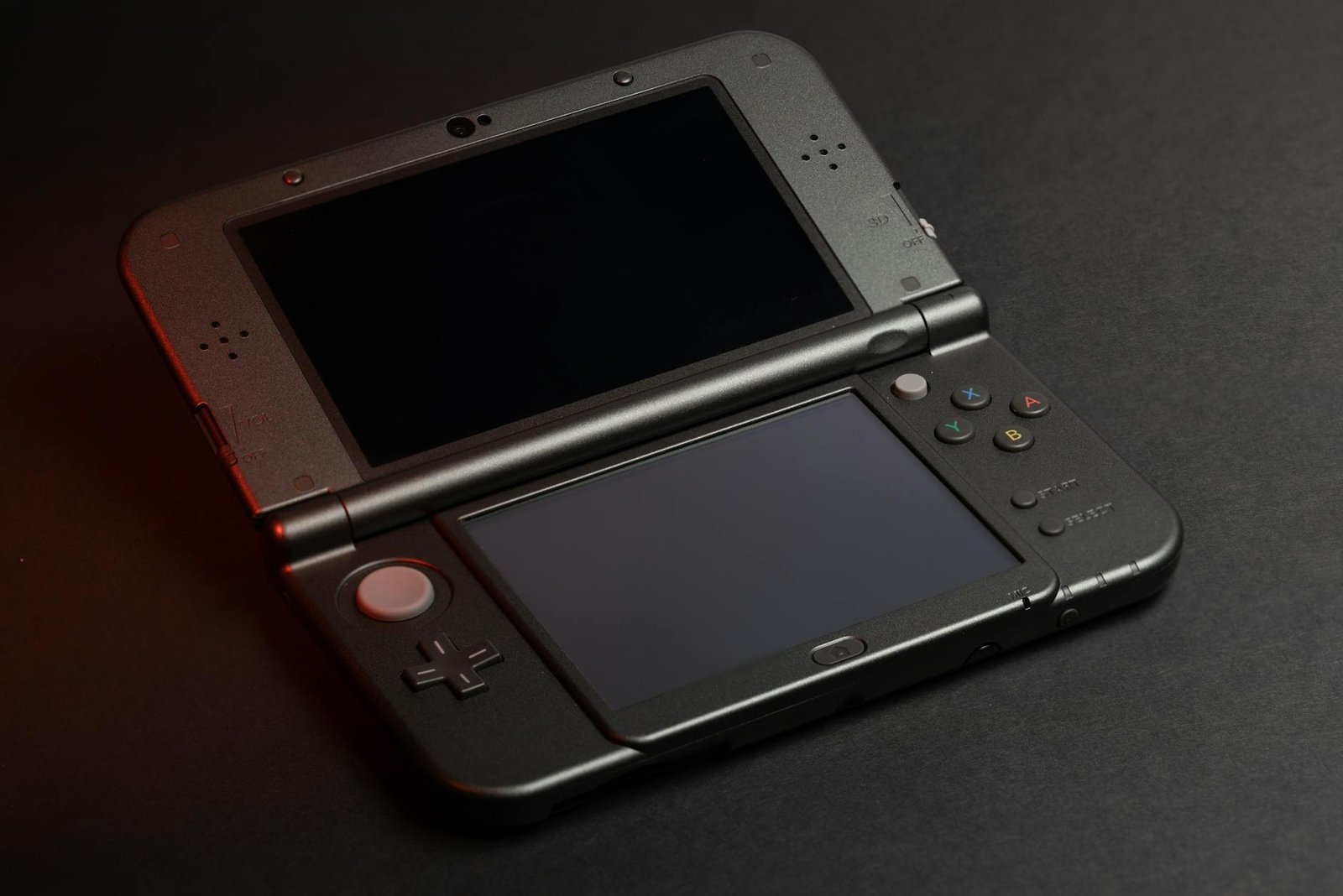
When I first read about this story, I genuinely did a double-take. A Nintendo console with a user-replaceable battery? That’s not just a hardware tweak — that’s a philosophical shift for a company that has historically kept its internals locked down tighter than a vault. As someone who follows tech closely and has watched the right-to-repair movement gain momentum for years, this felt like a genuine watershed moment. What caught my attention here was not just the product itself, but what it signals about where consumer electronics are heading under growing regulatory pressure.
Key Takeaways
- Nintendo is reportedly developing a Switch 2 variant for the European Union market that features a user-replaceable battery.
- The move is driven by the EU’s Right to Repair Directive, which mandates easier repairability for consumer electronics sold in Europe.
- This would mark a significant departure from Nintendo’s traditional closed-hardware approach.
- The EU regulation requires that batteries in portable devices be replaceable by consumers by 2027.
- Industry analysts see this as a potential preview of design changes that could eventually reach global markets.
Nintendo is reportedly making a Switch 2 variant specifically for the European Union market that will include a user-replaceable battery — a first for the company’s handheld lineup. According to sources familiar with the matter, this design decision is not voluntary goodwill but a direct response to sweeping EU legislation requiring portable consumer electronics to meet new repairability standards. This development positions Nintendo at the center of a much larger conversation about who controls the lifespan of the devices we own.
The broader significance here is hard to overstate. Nintendo has long been among the most protective of its hardware ecosystem, and a shift toward user-serviceable components represents a meaningful concession to regulatory reality. For tech enthusiasts, early adopters, and everyday gamers alike, this story touches on battery life, long-term device value, sustainability, and the future of consumer rights in the digital age. Let’s break down the five biggest reasons this development matters.
1. The EU Regulation Forcing Nintendo’s Hand
The catalyst behind this reported Switch 2 design change is the European Union’s Right to Repair Directive, a landmark piece of legislation that is reshaping how electronics manufacturers approach product design across the continent. The directive, which entered into force in 2024, sets out requirements that portable devices — including gaming handhelds — must allow consumers to replace batteries without needing professional tools or voiding warranties. Manufacturers selling into the EU market must comply with battery replaceability requirements by 2027 at the latest.
This is not a soft suggestion. The EU has demonstrated a consistent willingness to impose significant fines on technology companies that fail to meet its consumer protection and environmental standards. Industry analysts note that for a product with the global sales footprint of the Nintendo Switch — which has sold over 146 million units since its 2017 launch — ignoring EU compliance is simply not a viable business strategy. The European market represents one of Nintendo’s most important revenue regions, and walking away from it would be commercially catastrophic.
What makes this regulation particularly interesting is its ripple effect. By mandating repairability as a baseline standard, the EU is effectively forcing hardware manufacturers to rethink their entire product architecture. For Nintendo, that means engineering a Switch 2 SKU where the battery compartment is accessible to the average user — something that requires deliberate design choices from the ground up, not an afterthought bolted on at the end of development.
2. Nintendo Reportedly Making Switch 2 a Right-to-Repair Pioneer
The news of nintendo reportedly making switch 2 with a replaceable battery is striking precisely because it runs counter to the company’s established hardware philosophy. Nintendo devices have historically been sealed units — sleek, durable, and entirely dependent on Nintendo’s own repair network for anything beyond a Joy-Con swap. The original Switch, Switch Lite, and Switch OLED all feature batteries that are glued or deeply embedded within the chassis, making DIY replacement a complex process that most users would never attempt without risking damage.
A user-replaceable battery design demands a fundamentally different internal layout. The battery must be accessible via a panel or door, secured with standard screws rather than proprietary fasteners, and connected in a way that allows disconnection without specialized equipment. This kind of design typically adds some complexity to the manufacturing process and can affect the overall form factor — which is why companies have historically resisted it. That Nintendo is reportedly willing to make this engineering investment speaks volumes about the seriousness with which it is treating EU compliance.
In practice, this could mean the EU version of Switch 2 looks slightly different from its global counterpart — perhaps with a removable back panel or a dedicated battery access door. Engadget’s original reporting on this development notes that the specifics of the design remain unclear, but the intent to produce a compliant variant appears credible based on supply chain sources. This would make Nintendo one of the first major gaming hardware manufacturers to ship a right-to-repair-compliant handheld console.
3. What a User-Replaceable Battery Actually Means for Gamers
Beyond the regulatory and corporate strategy angles, the practical implications for everyday Switch 2 owners in the EU are genuinely exciting. Battery degradation is one of the most common reasons gaming handhelds end up in the bin before their time. Lithium-ion batteries typically retain around 80 percent of their original capacity after 500 full charge cycles — which, for an active gamer, can mean noticeable performance decline within two to three years of regular use. A device that lets you swap in a fresh battery rather than retire the whole unit has a dramatically longer useful lifespan.
What this means for users is both financial and environmental. Instead of spending hundreds of euros on a new console when the battery starts dying, EU gamers could theoretically purchase a replacement battery — likely in the range of €20 to €50 based on comparable third-party battery pricing for current Switch models — and restore their device to like-new performance in minutes. That’s a compelling value proposition, especially as the cost of living remains a significant concern for consumers across Europe.
There’s also a sustainability dimension that aligns with growing consumer awareness around electronic waste. The EU generates approximately 5 million tonnes of e-waste annually, and extending the lifespan of portable electronics through repairability is a key strategy in reducing that figure. A Switch 2 that lasts five or six years instead of three because its battery can be refreshed is a meaningfully greener product — and that story resonates with a growing segment of environmentally conscious tech buyers.
| Feature | Original Switch | Switch OLED | Switch 2 EU (Reported) |
|---|---|---|---|
| Battery Replaceable by User | No | No | Yes (Reported) |
| Battery Life (Approx.) | 4.5 – 9 hours | 4.5 – 9 hours | TBC |
| EU Right to Repair Compliant | No | No | Yes (Reported) |
| Estimated Battery Cost (3rd Party) | €25 – €45 | €25 – €45 | €20 – €50 (Est.) |
| Repairability Score (iFixit) | 5/10 | 5/10 | TBC (Expected Higher) |
4. Nintendo Reportedly Making Switch 2 Changes That Could Go Global
One of the most fascinating questions raised by nintendo reportedly making switch 2 with a replaceable battery for EU markets is whether this design will eventually migrate to other regions. Historically, when manufacturers are forced to redesign products for one major regulatory market, the economics often favor rolling out that design globally rather than maintaining two separate production lines. Apple’s adoption of USB-C across its entire iPhone 15 lineup — driven by EU mandates — is the most recent high-profile example of this dynamic in action.
Industry analysts note that if Nintendo engineers a replaceable-battery Switch 2 chassis for Europe, the marginal cost of applying that same design to North American and Asian units may be lower than maintaining a parallel sealed-battery variant. The decision will likely come down to whether the EU-compliant design imposes meaningful trade-offs in terms of weight, thickness, or water resistance that Nintendo’s global product team is unwilling to accept for its primary market SKU. The right-to-repair movement is gaining legislative traction in the United States as well, with several states having passed or actively considering similar legislation — which could accelerate Nintendo’s timeline for a universal replaceable-battery design.
For North American and Asian consumers watching this story unfold, the EU variant may serve as a preview of what global Switch 2 hardware could look like within the next product cycle. If the EU design proves durable, popular, and commercially successful, Nintendo would have every incentive to standardize it. That’s good news for anyone who has ever watched their handheld’s battery life slowly erode and wished they could do something about it without sending the device away for weeks.
5. The Bigger Picture: Right to Repair Goes Mainstream
Nintendo’s reported move does not exist in a vacuum. It is part of a sweeping industry transformation driven by regulatory pressure, consumer advocacy, and a growing recognition that the throwaway electronics model is environmentally and economically unsustainable. Major manufacturers including Apple, Samsung, and Google have all made incremental concessions to the right-to-repair movement in recent years — from offering official repair programs to publishing repair manuals — but fully user-replaceable batteries in sealed consumer electronics remain relatively rare.
The EU’s Battery Regulation, which complements the Right to Repair Directive, specifically targets portable batteries and sets out a compliance timeline that will affect virtually every major electronics brand operating in Europe. By 2027, portable devices must feature batteries that consumers can remove and replace using commonly available tools. This is not limited to gaming hardware — smartphones, tablets, wireless earbuds, and wearables are all within scope. Nintendo’s reported Switch 2 adaptation is simply one of the first high-profile examples of a major consumer electronics company visibly engineering toward that deadline.
What this means for the broader industry is a gradual but meaningful shift in how devices are designed, marketed, and valued. A product that can be repaired and maintained by its owner is a product with a longer market life, a lower total cost of ownership, and a smaller environmental footprint. As more manufacturers are compelled to build repairability into their hardware, consumer expectations will shift accordingly — and companies that embrace this transition early may find it becomes a genuine competitive differentiator rather than a regulatory burden. See our coverage of right-to-repair developments across the consumer electronics industry and everything we know about the Nintendo Switch 2 for more context on this evolving story.
Best Overall Pick: What to Buy Right Now While You Wait
If you’re a Switch owner whose battery is already showing its age, or you want to get ahead of the curve on portable gaming accessories, there are some excellent options available right now. Whether you’re looking to extend your current Switch’s lifespan or gear up for the Switch 2 era, the following products are worth considering.
As an Amazon Associate, I earn from qualifying purchases.
- Replacement Battery for Nintendo Switch: Browse compatible replacement batteries on Amazon — a cost-effective way to restore your current Switch to full battery health while you wait for the Switch 2.
- Nintendo Switch Portable Charger / Power Bank: Find top-rated Switch power banks on Amazon — a must-have accessory for extended gaming sessions on the go.
- Nintendo Switch Carrying Case: Shop Switch carrying cases on Amazon — protect your investment with a durable travel case rated for both the original Switch and anticipated Switch 2 dimensions.
- iFixit Pro Tech Toolkit: Get the iFixit toolkit on Amazon — if you’re planning to take advantage of user-replaceable components, a quality electronics repair toolkit is essential.
What to Watch Next
The Nintendo Switch 2 replaceable battery story is one to follow closely over the coming months. Key milestones to watch include any official announcements from Nintendo regarding EU-specific hardware variants, updates to the EU Battery Regulation compliance timeline, and whether other major gaming hardware manufacturers — particularly Sony with the PlayStation Portable successor and Valve with future Steam Deck iterations — follow suit with similar right-to-repair-oriented designs.
Also worth monitoring is how iFixit and other repairability advocacy organizations respond to and rate the eventual Switch 2 hardware. Their teardown analyses have become an important consumer reference point, and a high repairability score for the EU Switch 2 would send a powerful market signal. Longer term, the trajectory of right-to-repair legislation in the United States — where the FTC has expressed support for stronger consumer repair rights — will determine whether the replaceable battery becomes a standard feature globally or remains a Europe-only compliance measure for the foreseeable future. Either way, the conversation has fundamentally changed, and Nintendo’s reported decision has placed gaming hardware squarely at the center of it.